
 Apply Now
(R/311/8/0080)(02/2028)(MQA/FA8065)
PhD in Psychology
PhD in Psychology
Our PhD in Psychology offers graduates the opportunity to undertake advanced research within a vibrant, supportive environment led by internationally recognised academics. Students benefit from well-equipped research facilities, including physiological recording systems, eye-tracking labs, observation suites, PC-based testing cubicles, and a variety of psychometric and cognitive assessments.
While we may consider proposals across the full breadth of psychology, we particularly welcome enquiries aligned with our four key research clusters:

Perception & Cognition
[Prof. Kinjal Doshi, Dr Jasmine Lee, Dr Shumetha Sidhu]
We study how people perceive, interpret, and respond to the world around them. Areas include visual perception, cognitive processing, attention, and the effects of lifestyle and digital environments on cognitive performance.
Mental Health & Wellbeing
[Prof. Kinjal Doshi, Dr Jasmine Lee]
Our work focuses on improving psychological wellbeing at both population and workforce levels. Staff lead projects on clinical and health psychology, public mental health, intervention development, implementation science, and co-design with communities and professionals.
Technology, Digital & Immersive Psychology
[Prof. Kinjal Doshi, Dr Chong Kai Hao, Dr Jasmine Lee, Dr Shumetha Sidhu]
We explore how digital and immersive technologies shape human behaviour, identity, and wellbeing. Research includes social media influences, digital self-perception, appearance-related attitudes, and applications of VR/AR in mental health and cognition.
Language, Emotion & Education
[Dr Chong Kai Hao]
This cluster examines how language and emotion shape learning, communication, and identity. Topics include English as Second Language anxiety, language attitudes, pragmatic competence, and the emotional and cognitive foundations of effective learning.
Programme Details for the PhD in Psychology
Entry Requirements
More about School of Psychology and Clinical Language Sciences
Visit the School's websiteTake the next step
Find a PhD Supervisor
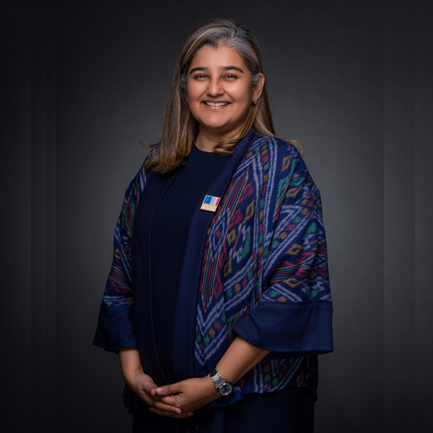
Prof. Dr Kinjal Doshi
Head of Psychology

Dr Chong Kai Hao
Programme Lead of BSc Psychology | Lecturer in Psychology | Consultancy, Outreach & Professional Engagement Lead; Admission Tutor

Dr Shumetha Kaur Sidhu
Director of Postgraduate Research Studies | Lecturer in Psychology
What to Do Next?
For informal inquiries regarding the PhD programme, please contact pgrs@reading.edu.my
Once you are ready to make a formal application, you can apply through our online application service. This allows you to include electronic copies of your curriculum vitae, initial research proposal, academic transcripts, certificates and other supporting information.
Here's what to expect after submitting your application:
- Academic Requirements Screening: Your application will first be reviewed to ensure that you meet the necessary academic requirements.
- Initial Review by Head of School (HoS): If the requirements are met, the HoS will review your application to evaluate the strength and academic quality of your proposal, as well as to determine whether a suitable potential supervisor is available in your proposed area. Applicants are therefore strongly encouraged to submit research proposals aligned with the School's research priorities and staff expertise. Proposals outside these areas are less likely to be considered.
- Research Proposal Presentation (Optional): You may be invited to present your initial research proposal to the School.
- Refinement with Potential Supervisor: Once a potential supervisor with relevant expertise and interest is identified, you will have the opportunity to work with them to refine your proposal and develop it into a novel research project that will make significant contributions to your field.
- Submission for Review: After your supervisor approves the refined proposal, it will be submitted to the DPGRS and the HoS. This version will form the basis of your PhD interview.
- PhD Interview: You will be invited to give a presentation of your refined research proposal, followed by a Q&A session. This allows the panel to assess the rigour of your research, your understanding of the topic, and your suitability for the PhD programme.
- Decision Notification: The outcome of your application will first be communicated via email, followed by the official decision on RISIS.